What is Artificial Intelligence Optimisation (AIO)?
Artificial Intelligence Optimisation (AIO) is the practice of adjusting content, structure, and entities so AI models can accurately understand and reuse information.
Within AI SEO, AIO concentrates on:
- AI-readable structure
- Clear entity definition
- Consistent factual presentation
- Machine-friendly formatting
While AI SEO addresses where you appear, AIO addresses how AI understands you and supports conversational accuracy in ChatGPT Search optimisation.
How AIO Fits Under AI SEO
AI SEO is the strategy layer. AIO is the execution layer.
Layer | Focus | Purpose |
AI SEO | Visibility strategy | Appear in AI-driven search |
AIO | Machine interpretation | Be accurately understood |
Traditional SEO | Foundations | Crawl, index, rank |
AIO strengthens AI SEO outcomes by improving clarity, confidence, and reuse.
Why AIO Matter Inside AI SEO
AI SEO without AIO can still result in:
- Partial or inaccurate summaries
- Missed citations
- Weak AI recall
AIO ensure:
- AI extracts the right information
- Definitions remain consistent
- Content is summarised accurately
- Entities are trusted
This improves AI answer-level visibility and reinforces factual consistency in Gemini Search optimisation.
What AIO Services Include
1. AI Content Structuring
Content is rewritten into:
- Answer-ready sections
- Predictable formats
- Short, extractable blocks
This improves AI summarisation accuracy.

2. Entity Optimisation
AIO ensures:
- Services are clearly defined
- Brand and topic entities are consistent
- Terminology does not vary
This reduces AI confusion and misinterpretation.
3. AI-Friendly Formatting
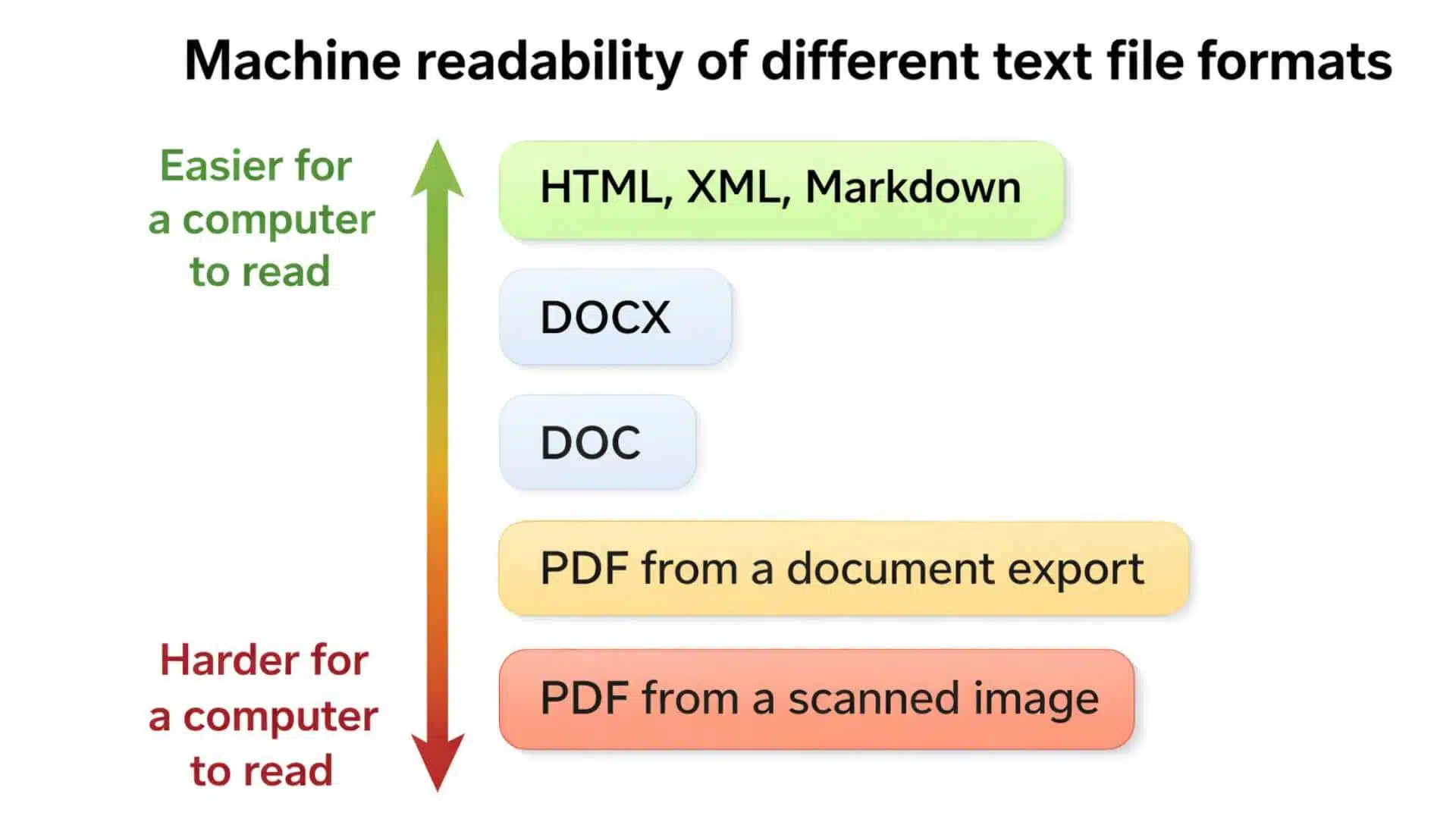
Formatting signals help AI identify:
- Definitions
- Steps
- Comparisons
- FAQs
This complements schema and improves extraction and step-based execution in Bing Copilot optimisation,
4. Factual Consistency Audits
AIO reviews content across pages to:
- Eliminate contradictions
- Align explanations
- Strengthen trust signals
Consistency is critical for AI reuse.
5. AI Summary Testing
Content is tested against:
- AI Overviews
- Conversational responses
- AI-generated summaries
This ensures AI outputs reflect intended messaging.
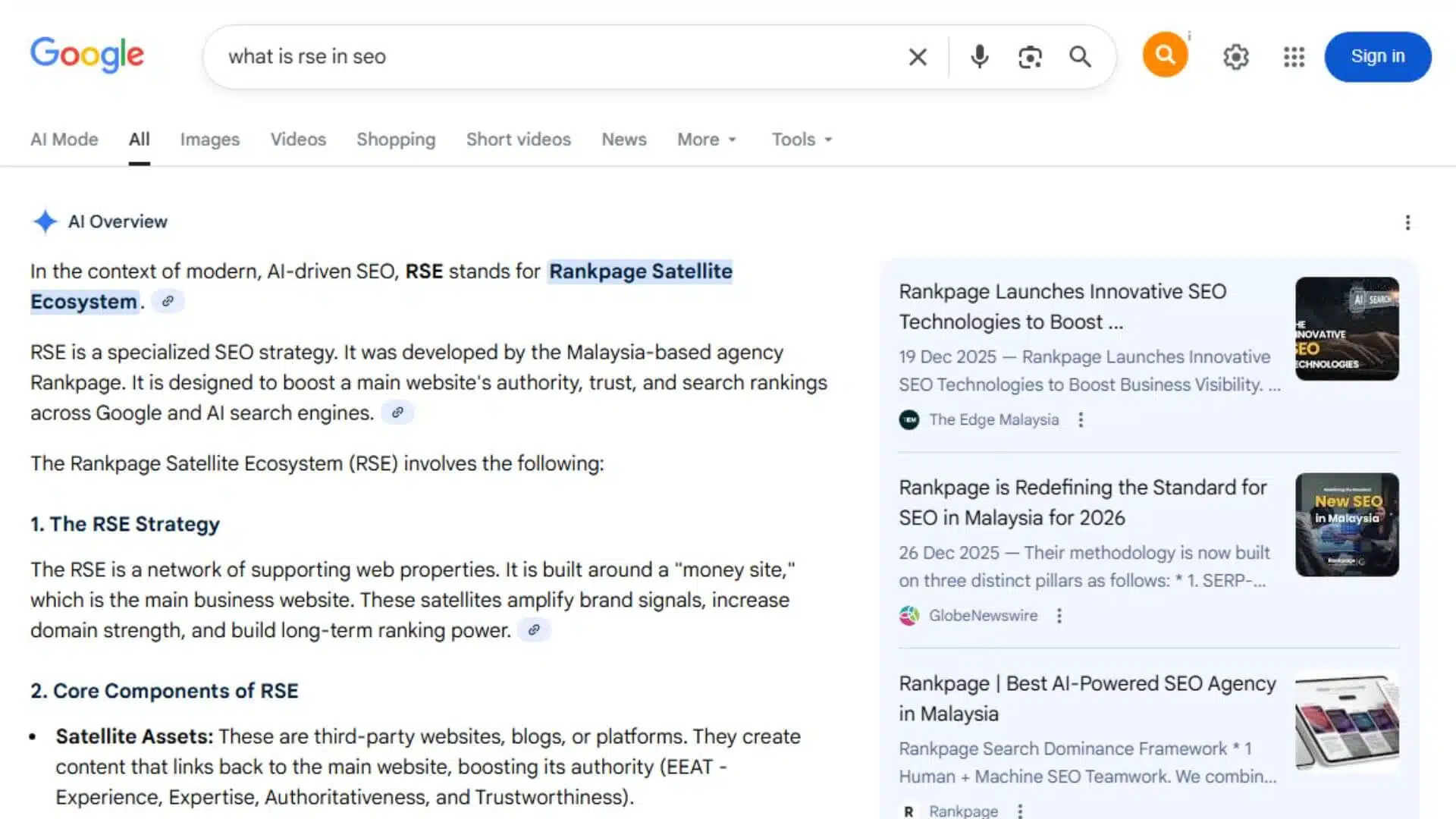
How AIO Is Implemented (High-Level Workflow)
AIO implementation follows a structured but non-technical process. First, existing content and entities are reviewed to identify inconsistencies, ambiguity, or weak AI interpretation. Next, key pages are restructured into clear, answer-ready formats that AI systems can summarise accurately.
The third step focuses on entity alignment, ensuring services, terminology, and brand references are consistent across all relevant pages. After that, formatting and internal relationships are refined to improve machine readability and contextual understanding.
Finally, AI-generated outputs are reviewed and tested to confirm summaries, citations, and explanations align with intended messaging. This workflow strengthens AI clarity without disrupting existing SEO foundations.
Common AIO Problems We Fix
Artificial Intelligence Optimisation is often required when businesses notice that AI systems reference them inaccurately or inconsistently. One common issue is AI misquoting brands, where summaries distort services, oversimplify offerings, or attribute incorrect capabilities.
Another frequent problem is inconsistent AI summaries across platforms. The same brand may be described differently in AI Overviews, conversational search, and assistant responses, weakening trust and recognition.
Many businesses also experience poor AI recall, where content exists but is rarely reused or cited by AI systems due to unclear structure or weak entity signals.
Finally, wrong entity association is a critical risk. AI may confuse your brand with competitors, misclassify your services, or associate your content with unrelated industries.
AIO services address these issues by improving clarity, consistency, and machine interpretation so AI systems can reference your business accurately and confidently.
How AIO Improve AI Search Visibility
Within AI SEO, AIO improves:
- Accuracy of AI-generated summaries
- Frequency of citations
- Brand recall in AI responses
- Confidence in AI reuse
This leads to stronger visibility across:
- AI Overviews
- Conversational search
- Assistant responses
AIO vs AI SEO: When You Need Each
Situation | AI SEO | AIO |
Low visibility in AI search | Required | Optional |
AI summaries are inaccurate | Limited impact | Essential |
Content appears but isn’t quoted | Helpful | Essential |
Brand misunderstood by AI | Insufficient | Critical |
Scaling AI visibility long-term | Strategic | Structural |
AI SEO focuses on earning visibility across AI-driven search surfaces. AIO becomes necessary when visibility exists but accuracy, consistency, or recall is weak.
In practice, AI SEO helps content appear, while AIO ensures AI systems interpret and summarise that content correctly. Businesses with complex services or competitive positioning typically need both, with AIO refining and stabilising AI SEO outcomes.
When Businesses Need AIO
AIO services become essential when:
- AI summaries misrepresent content
- Visibility exists but citations don’t
- Content is complex or technical
- Multiple pages cover similar topics
AIO prevents AI dilution.
How Long Do AIO Take to Work?
AIO improvements often show:
- Immediate clarity gains
- AI output alignment within weeks
- Compounding visibility within AI SEO timelines
Because AIO refines existing content, impact is often faster than new content creation.
Why AIO is a Competitive Advantage Inside AI SEO
AI systems reward:
- Consistency
- Predictability
- Clarity
AIO ensures your AI SEO efforts are not wasted by poor machine interpretation.
Why AIO Sits Under AI SEO
AIO sits under AI SEO because it supports execution, not strategy. AI SEO defines where a business needs visibility across AI-driven search and assistant platforms. AIO ensures the content powering that visibility is interpreted accurately.
Positioning AIO beneath AI SEO prevents keyword and intent cannibalisation while maintaining a clear optimisation hierarchy. AI SEO establishes authority and reach, while AIO refines clarity, consistency, and machine understanding.
This structure allows both services to work together without overlap, strengthening internal linking, topical authority, and long-term AI visibility.
Conclusion: Why AIO Strengthen AI SEO
AIO services ensure AI SEO delivers accurate, repeatable visibility. By optimising how AI systems interpret your content, AIO reduces ambiguity, improves trust, and increases citation potential.
Within AI SEO strategies, AIO is the layer that ensures being seen also means being understood.